
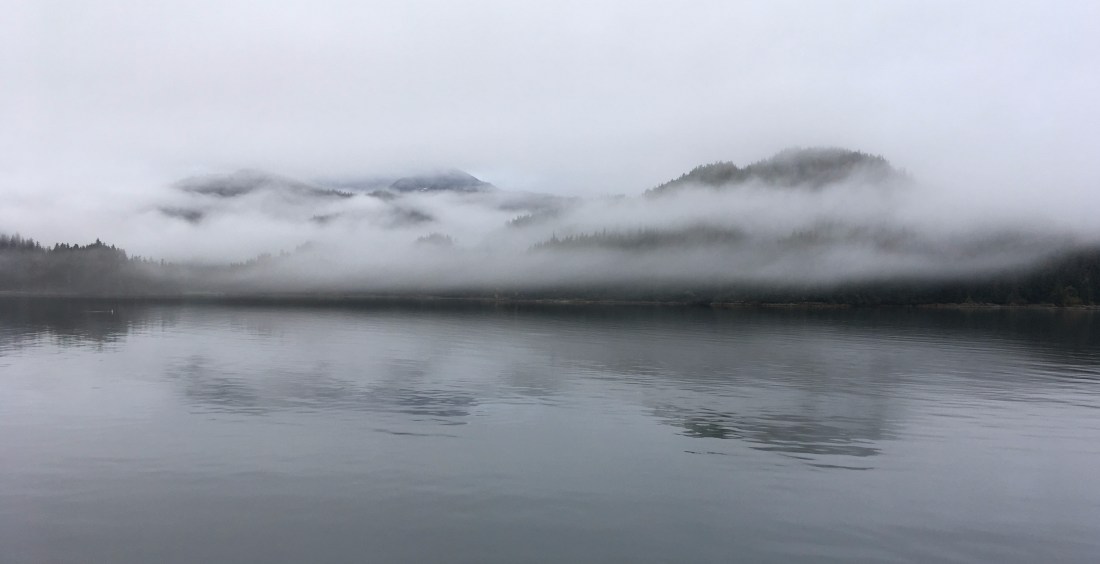
We recently visited Southeast Alaska’s “Inside Passage,” winding among the islands of the 16.7 million-acre Tongass National Forest – largest in the USA. We were there for the same reason many other tourists we encountered said they were visiting: we wanted to see the wilderness before it is ruined by greed and politics and other forms of pollution. And recent events have added urgency.
The summer of 2019 brought soaring temperatures and roaring fires to Alaska.
Wildfires burn hundreds of thousand of acres in Alaska each and every year…..that’s normal. And 2019 hasn’t matched the record level of 2004, when 6.5 million acres burned. But 2019 – with 2.5 million acres scorched and still counting – is worrisome because fire season started earlier than usual and record-setting temperatures have dried out the state and augur a fire season that may extend later than usual into the fall. More than 200 of nearly 600 fires are still burning, and they are threatening more populated regions than in a typical season.
Experts say that Alaska is warming 2.5 times faster than the rate of the lower 48 states, and the frequency and magnitude of Alaskan wildfires fires are increasing. In twelve of the years since 1990, more than one million acres have burned, a yearly milestone infrequently reached before 1990. Lightening is the major cause of Alaskan wildfires; and hot, dry weather — like the summer of 2019 — is the environment in which fires flourish.
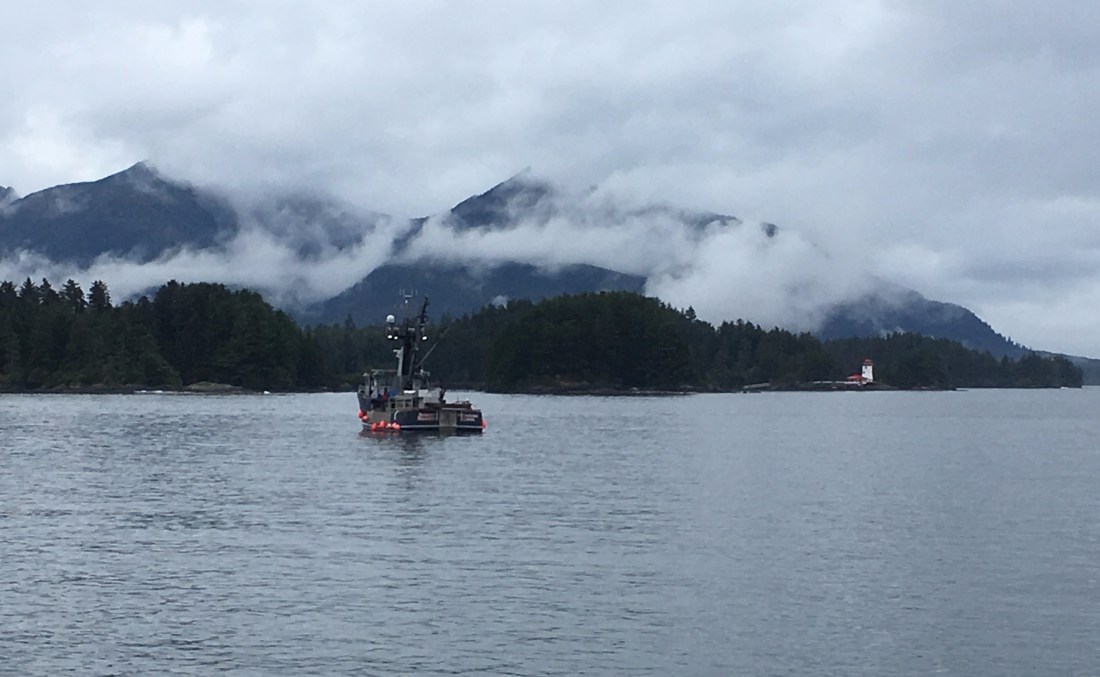
Locals say a typical day in Southeast Alaska is cool, overcast and misty – much like the weather we recently experienced there; and when those damp days interrupted this summer’s searing heat wave, most locals were happy. “It’s why I moved to Alaska,” some would say. “And it’s the weather this wilderness needs.”
JER
 ALL OVER THE MAP
Have been meaning to ask you “ever since”….
Are your blog photos “your own?”
They’re terrific.
>
LikeLike
Almost always. And usually with an iPhone.
Thanks.
LikeLike