
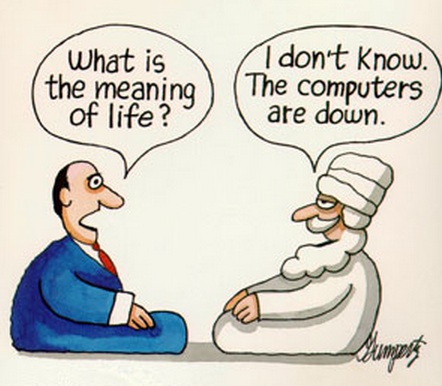
Among the dozens of deep discussion-worthy passages in Richard Powers’ provocative 2009 novel Generosity is this truth for our times: “The price of information is falling to zero. You can now have almost all of it, anytime, for next to nothing. The great majority of data can’t even be given away.”
Spin by commercial advertisers and political candidates, incessant and often inaccurate polling, and the clutter of suspect information on social media are among the forces which combine to cheapen legitimate efforts to market vital information. This has caused the quick collapse of countless internet-based information businesses, which had themselves abetted the demise of long established and well respected publications.
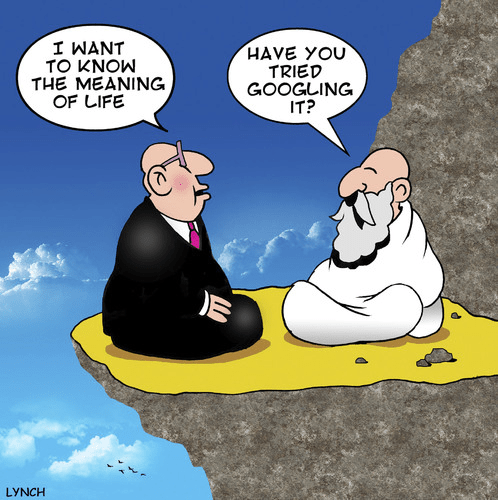
Is it really necessary that there be 170-plus Google postings for the Texas State Capitol Building, or 190-plus for the City of Bismarck, North Dakota? Democracy and universal access are important, of course; but is there somewhere a point of diminishing returns to the helpfulness of information? Might there even be some obstruction to the pursuit of knowledge in all of this?
In my own past, I oversaw a hapless effort to monetize the dissemination of accurate, civil and official information on an athletic association website that was swamped by the speculation, rumors and lies of other sources. And I served as chairman of the board for a more hopeful enterprise that is now in its eighth year of streaming school sports events. . . an authentic niche in the glitzy and often phony world of sports broadcasting; but it has still not climbed out of debt. Accuracy of information and authenticity of programing overwhelmed by unvetted audacity.
What I learned then and confirm now is that information is overrated. More important, but in far less abundance, is meaning. That’s where the value is, or should be. Powers adds “. . . meaning is like land: no one is making any more of it.
JER
 ALL OVER THE MAP
Unfiltered information is the curse of our time. It kills paid professionalism at the expense of hype and falsehoods. I’m all for establishing an independent council that will ‘certify’ information outlets, almost like European food associations that certify the origin of wine, cheese, meats, etc. Gill Schor, publisher of SportsHistoryWeekly.com and Sports History Magazine.
LikeLike
Very true, Jack. I used to talk about “true facts” as a bit of a joke, but with the reckless tossing about of rumor, innuendo, conspiracy theories, and so much more, I long for the day of true facts. I agree completely that meaning is much more important than information, but a great deal of subjectivity goes into that. I have long thought of the hierarchy of data/information/knowledge in the environmental world, the latter being a close relative of meaning.
LikeLike