
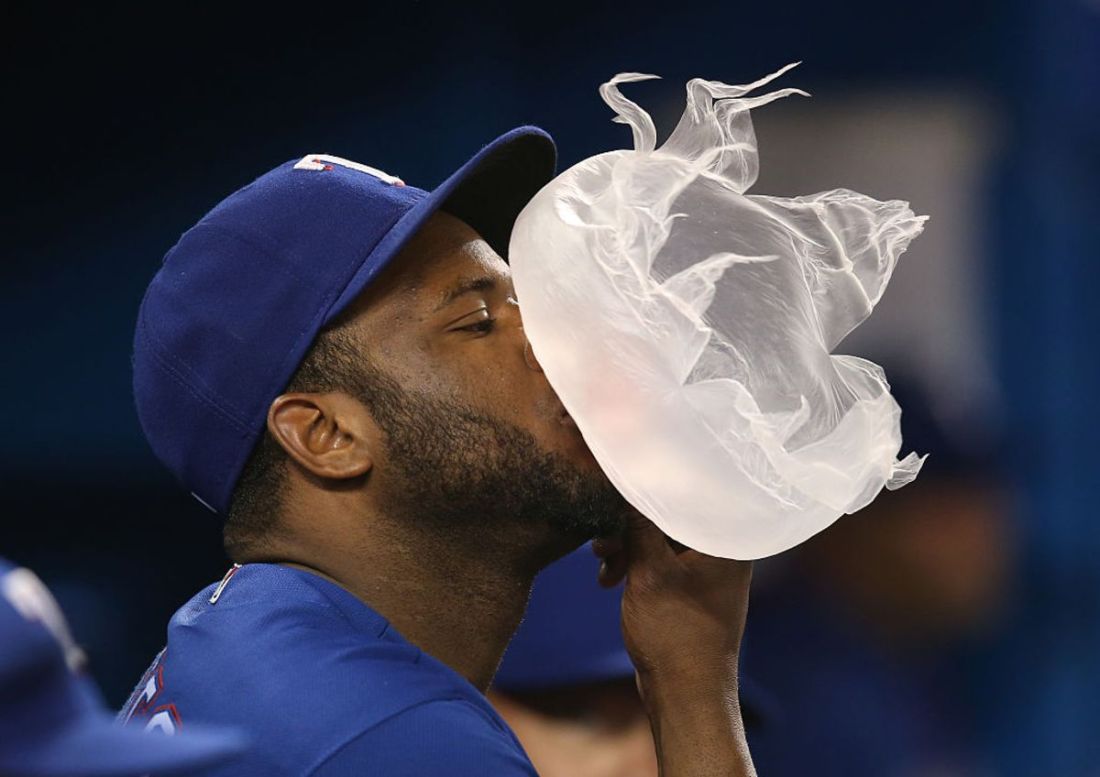
At the same time that people are breaking out the bubbly to toast the return of truncated professional baseball, basketball, ice hockey and soccer seasons as well as the start of practice for professional football teams, bubbles are bursting on hopes for a quick return for traditional school and college programs.
Yes, some non-school organizations are rushing in to fill the void with vanity-oriented youth sports programs. These are the groups which have never worried themselves too much about the health and safety of young people: those club and travel teams which offer lots of games with little preparation or practice. . .which have kids playing two and three games in a day, even on consecutive days.
But more responsible youth sports organizations — and certainly most values-oriented, education-based, school-sponsored programs — have hesitated. They may see a need to delay the resumption of sports programs and, when they do resume, to operate those programs much differently than before: for example, without team busses, huddles, pre-and post-event handshakes, spitting and spectators; and with spacing requirements for practice drills and team benches, mask requirements, frequent breaks for sanitizing equipment and surfaces, and severe limits on the number of teams allowed to assemble for invitational meets in cross country, golf, tennis and other sports.
What schools can not do — as a practical matter — is put student-athletes in protective bubbles the way professional sports organizations and major college football have been trying to do. Interscholastic athletes won’t be sequestered in hotels for the duration of their seasons. They won’t all be fed and housed apart from the general public. They won’t all be tested each day or two for the COVID virus. What they will do is mix and mingle with families and friends, and carry the virus back and forth.
Even where there have been attempts to shelter athletes away from any risk of infection, bubbles have been bursting. On dozens of professional sports teams and college football teams, many players and coaches have been testing positive for COVID-19. . .including 13 players and coaches on Major League Baseball’s Miami Marlins alone during just the first four days of the new season. Even with all the lavish precautions by their teams, several prominent professional athletes — concerned for their health and their families — have refused to participate for their teams this season. Colleges have already agreed to provide another year of eligibility for student-athletes who refuse to play or are sidelined by the virus.
Hopes for business as usual are losing air everywhere. Major League Soccer lost two of its teams for the “MLS is Back” Tournament that was substituted for this year’s mens professional soccer season. Major League Baseball’s brief season is on life support (pun intended). Many college and junior college athletic conferences across the country have cancelled, or postponed to 2021, all or some fall sports. A half-dozen major college football programs, which had been preparing to play delayed and abbreviated schedules this fall, have since experienced COVID cases and shut down pre-season workouts. Already half the nation’s state high school athletic associations have at least altered their fall schedules for at least some sports.
In spite of concerns, traditional summer baseball and softball programs were conducted by Iowa high schools this year. Out of a membership of 365 schools, 338 participated in the baseball program: 21 were impacted directly by a COVID case and 12 schools ended their seasons early. In softball, of 391 members, there were 335 participating schools: 26 were impacted directly and 11 ended their seasons early. The experience is being characterized as “mostly successful” and offered as evidence that resuming high school sports this fall will not be especially dangerous. But others warn that it took but a single visiting Englishman to ignite the COVID catastrophe visited upon hundreds of thousands of people in South America’s Amazon River basin.
Who really knows? Who could have predicted that a single reported case in China last December would lead to more than 4.3 million COVID cases — including more than 148,00 deaths — in the US alone within the next seven months.
While school sports participation is generally very beneficial for young people — I devoted my professional life to that proposition — there is much less wisdom and efficacy in resuming school sports very soon than in resuming sports very safely. During “normal” times — which means any time before now — an outbreak of seasonal flu — for which there was a vaccine — would cause school superintendents to pressure me to postpone MHSAA tournament contests. It defies logic that school superintendents would want programs to proceed in the face of the COVID-19 pandemic for which there is no vaccine and no sign of subsiding.
State governors across America bowed to pressure and rescinded executive orders much too early and widely, and the virus roared back, setting us all back. Sports programs on all levels — professional, intercollegiate and interscholastic — face the same pressure. . .to bring back programs too soon. Bursting bubbles suggests some caution.
JER
 ALL OVER THE MAP